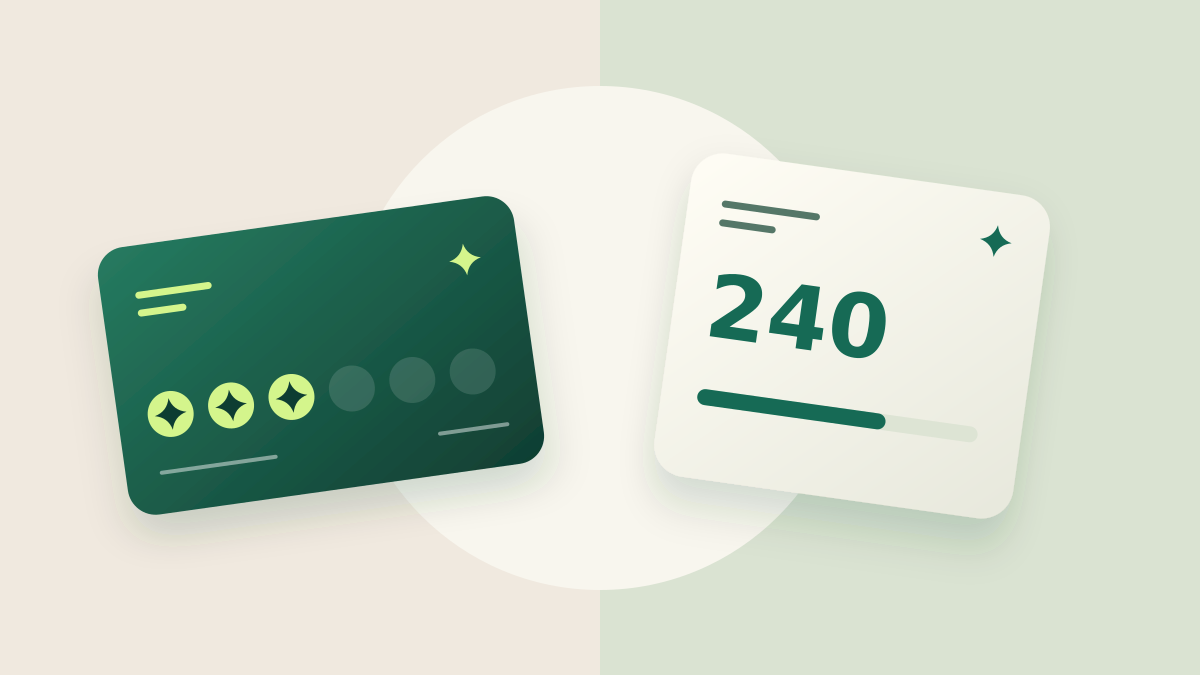

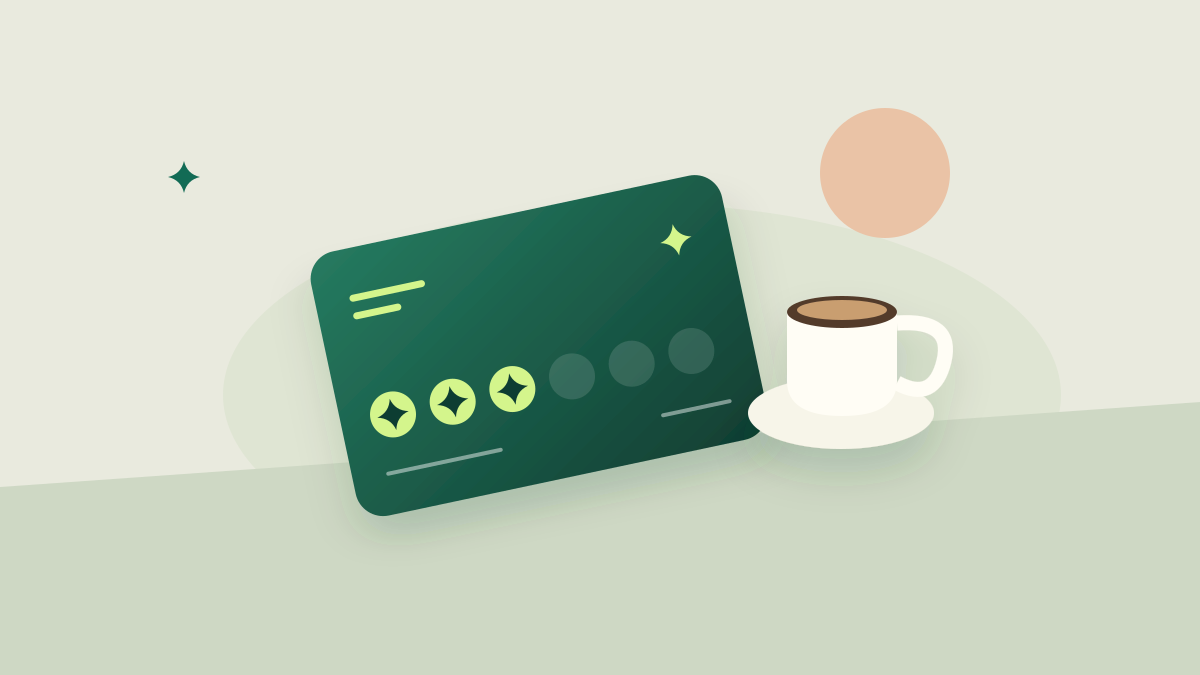
A card can store points. A useful program connects an experience a customer enjoys with a concrete reason to repeat it. Before choosing colors or prizes, decide which behavior you want to support.
Start with one promise, one earning rule and one reward. Complexity can wait.
Choose an objective you can observe
“I want loyal customers” expresses an intention, but it cannot tell you whether a decision worked. A café might want a second visit within four weeks; a salon might want another booking; a shop might want more frequent purchases from existing customers. Choose one objective for your first program.
Write down a baseline: who returns today, what they buy and how long visits usually take. If you do not have those records, use the first weeks to collect them. Without a baseline, unrelated fluctuations can look like program success or failure.
Make the reward fit the experience
A reward should reinforce what people enjoy about your business. A coffee, an extra service or an access benefit can be more coherent than a blanket discount. Describe exactly what customers receive and when. Ambiguity forces your team to improvise at the counter.
Illustrative example: eight eligible visits unlock a specified coffee. If each visit purchases the same product, the journey is easy to understand. If transaction sizes vary widely, earning points by purchase value may be more appropriate. There is no universally correct number of visits.
Calculate cost before launch
Use the cost of delivering the reward, not only its selling price. In a simplified example, a reward costing $1.20 after eight purchases distributes $0.15 of cost across each purchase in that completed journey. You still need to consider operations, applicable taxes and whether the reward replaces a purchase that would have happened anyway.
Do not treat all revenue from enrolled customers as program profit. Assess behavior and margin against a baseline, and account for rewards. Amounts recorded on a loyalty card are operating information, not proof of sales caused by the program.
Launch small and change one decision at a time
Explain the program in one sentence at the counter, place a visible QR and rehearse a purchase, a correction and a redemption with your team. Customers should understand earning without opening a long list of conditions.
Review registrations, first earnings and redemptions by customer group. If people register but do not earn, examine the invitation and store workflow. If they earn but do not redeem, examine clarity and distance to the reward before adding more promotions.
Make it yours.
- Choose an objective and a baseline.
- Publish a clear earning rule and redemption conditions.
- Calculate the real reward cost.
- Test the full journey with your team.
Published by Trivu. Examples are illustrative; available features depend on the plan and enabled integrations.
Create your first card ↗